Creaky or squeaky floorboards are a remarkably common household annoyance that can range from a mild nighttime irritation to a glaring sign of underlying structural issues. In homes worldwide, this problem affects millions of homeowners annually, disrupting sleep and slightly reducing overall property appraisal values. According to recent home improvement data, up to seventy percent of all wooden floor complaints involve high-pitched squeaks caused by unwanted movement between the floorboards, joists, or subfloors. Resolving these noises requires a clear understanding of what is shifting beneath your feet, whether you live in a modern urban apartment or a decades-old family estate.
The Historical Evolution of Floor Noises
Squeaky floors have been a persistent fixture in residential construction since the nineteenth century, an era when hand-nailed wooden boards were the standard and wood movement resulting from humidity was poorly understood. In the early twentieth century, the introduction of mass-produced nails and basic subflooring reduced but failed to completely eliminate the problem. This is highly evident in Victorian-era homes where settling foundations inevitably caused widespread squeaks as the decades passed.
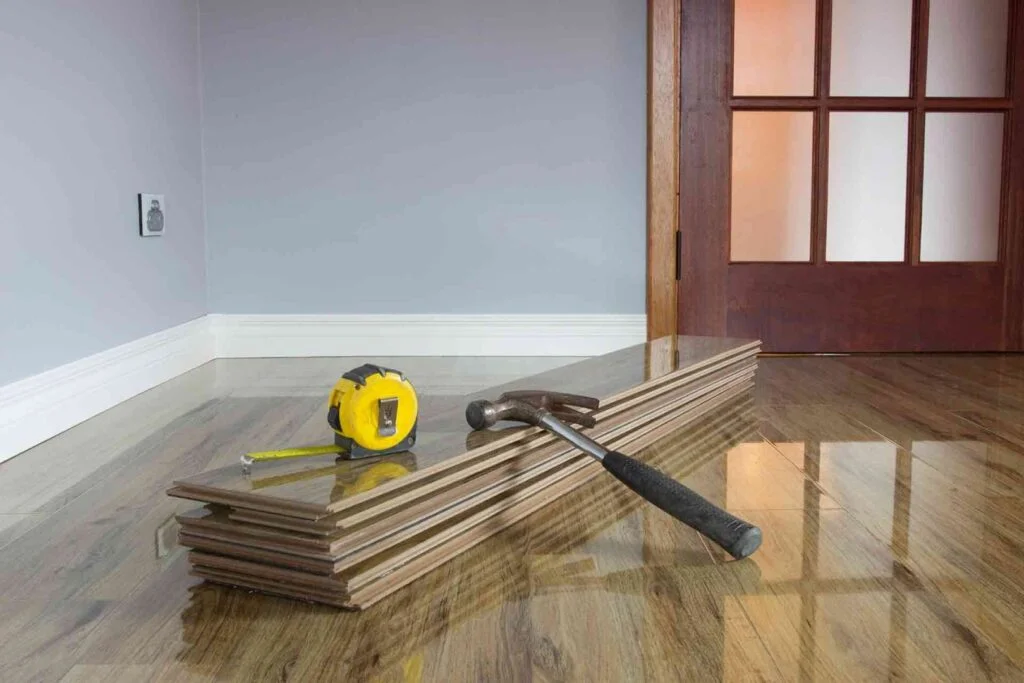
The post-war suburban construction boom of the 1950s and 1960s introduced plywood subfloors, which minimized large gaps but unfortunately introduced entirely new issues, such as widespread adhesive failures. By the 1980s, the DIY home improvement boom popularized temporary fixes like powder lubricants and specialized screw kits. Today in 2026, the flooring industry is pioneering cutting-edge innovations, including adhesive-filled screws and even smart subfloor sensors designed for the early detection of structural shifts.
Understanding the Root Causes of Creaks
Every squeak you hear is fundamentally the sound of friction caused by two hard surfaces rubbing together under the pressure of human footsteps. The most prevalent cause, accounting for nearly half of all squeaking floors, is loose fasteners. Over time, the nails securing the floorboards to the joists begin to pull out, creating a tiny gap that allows the wood to slide up and down against the metal nail shaft. Another major contributor is the gradual settling of the home’s foundation, which creates physical gaps between the finished boards and the subfloor beneath them.
Seasonal changes in weather also play a massive role in flooring stability. Wood is a highly porous material that naturally expands when the air is damp and shrinks when the air becomes dry. Building experts consistently note that understanding what causes squeaky floors involves monitoring your indoor humidity, which ideally should remain between thirty-five and fifty-five percent. When humidity levels fall outside this ideal range, the resulting expansion and contraction inevitably lead to loose joints and noisy floorboards.
Identifying the Exact Source of the Sound
Before you can effectively silence a squeak, you must accurately pinpoint its physical location. The most effective strategy is to walk extremely slowly across the suspected area, shifting your weight back and forth until the noise is reproduced consistently. Having a second person stand nearby to listen closely can help isolate the exact board that is shifting. For visible hardwood floors, you can often physically see the board deflecting or spot a tiny gap opening up between the planks when pressure is applied.
If the squeak is hidden beneath a thick layer of carpet, the identification process requires a bit more tactile sensitivity. You will need to press down firmly with your bare feet or hands to feel the exact spot where the subfloor yields slightly beneath the padding. Once you have located the problem area, placing a heavy book or a piece of painter’s tape on the spot will mark the territory so you do not lose track of it when you return with your repair tools.
Simple Fixes for Exposed Hardwood Floors
If you have exposed hardwood floors and prefer not to use power tools immediately, powder lubricants offer a highly effective, albeit temporary, solution. You can generously sprinkle talcum powder, finely powdered graphite, or even simple baking soda directly over the noisy seam. Using a soft-bristled brush, sweep the powder deep into the cracks between the rubbing boards. This fine powder acts as a dry lubricant, drastically reducing the friction between the wooden edges and silencing the squeak in about forty percent of mild cases without requiring any invasive drilling.
For a far more permanent solution, you will need to mechanically secure the loose board to the structural joist beneath it. You should start by using a reliable stud finder to locate the joist directly under the squeaky area. Once located, carefully drill a small pilot hole through the floorboard at a slight angle to prevent the wood from splitting. Next, drive a specialized flooring screw into the hole, ensuring you counter-sink the screw head slightly below the surface of the wood. You can then conceal the tiny metal head using a wood filler crayon that perfectly matches your floor’s natural finish, completely restoring the visual aesthetics while eliminating the movement.
Tackling Squeaks Beneath Carpeted Surfaces
Fixing a squeak hidden beneath wall-to-wall carpeting presents a unique challenge, as pulling up the carpet and padding is a labor-intensive chore most homeowners wish to avoid. Thankfully, specialized hardware designed specifically for this scenario is readily available. You can utilize a Squeak-No-More kit, which features uniquely scored screws and a depth-control fixture. You simply drive the screw directly through the carpet and into the subfloor using the provided alignment tool. Once the screw hits the precise depth required to pull the subfloor tight against the joist, the scored top of the screw snaps off cleanly below the carpet backing, leaving absolutely no sharp edges or visible damage on the surface.
If you are lucky enough to have an unfinished basement or a crawlspace located directly beneath the noisy room, repairing the floor from below is arguably the most permanent and least invasive method. By having someone walk on the floor above to recreate the noise, you can locate the exact gap between the joist and the subfloor from underneath. Gently tapping a thin wooden shim coated in construction adhesive into this gap will instantly stop the floor from deflecting downwards. This particular approach is highly recommended by tradesmen when discussing how to fix squeaky floors without ruining the cosmetic finish of the living space above.
Debunking Common Floor Repair Myths
A widespread misconception within the DIY community is that a squeaky floor is an immediate indicator of catastrophic structural damage, such as a rotting foundation or a failing load-bearing wall. In reality, the vast majority of these noises are completely harmless byproducts of minor fastener degradation and simple seasonal wood shrinkage. While ignoring a massive, sagging dip in your floor is unwise, a standard high-pitched squeak is generally a cosmetic annoyance rather than an architectural emergency.
Another heavily debated topic in home improvement forums is the effectiveness of various liquid adhesives compared to mechanical fasteners. Some homeowners believe that aggressively injecting liquid nails or wood glue between rubbing boards is a permanent miracle cure. However, because houses constantly shift and expand with seasonal temperature changes, dried glues will eventually crack and fail under the immense pressure of regular foot traffic. Relying on properly installed screws remains the gold standard for anyone seriously looking into repairing creaky floorboards for the long haul.
Nigeria-Specific Climate Considerations
In tropical climates like Nigeria, particularly in highly humid coastal cities like Lagos or inland areas like Abuja, seasonal creaks are an incredibly common phenomenon. The drastic shift between the intensely dry Harmattan season and the heavy rainy season forces wooden building materials to undergo extreme cycles of expansion and contraction. Many older colonial-era properties or modern homes built with imported, unacclimated plywood are highly susceptible to these environmental stresses, resulting in floors that seem to “sing” depending on the month of the year.
For Nigerian homeowners, managing indoor humidity through proper cross-ventilation or using a dehumidifier is a crucial preventive step. When immediate repairs are necessary, utilizing localized powder alternatives or affordable DIY screw methods suits the budgets and needs of most households. However, if the squeaking is accompanied by visible signs of water damage, pest infestations like termites, or extreme sagging, hiring a local professional carpenter is highly advised to prevent further deterioration of the home’s primary sub-structure.
Frequently Asked Questions (FAQ)
Can I fix a squeaky floor without using any power tools?
Yes, it is entirely possible to temporarily silence minor squeaks without reaching for a drill. Generously sweeping dry powder lubricants like talcum powder, baking soda, or powdered graphite into the seams between rubbing floorboards can dramatically reduce friction and eliminate the noise. However, it is important to understand that this is rarely a permanent fix, as regular vacuuming and floor vibrations will eventually dislodge the powder, requiring you to repeat the process every few months.
Why do my floors only squeak during certain times of the year?
Seasonal squeaking is directly tied to the moisture content in the air inside your home. During damp, rainy seasons, wooden floorboards absorb atmospheric moisture and swell, pressing tightly against one another. Conversely, during dry seasons, the wood releases moisture and shrinks, creating microscopic gaps around nails and joints. These seasonal gaps allow the boards to shift under your weight, resulting in the friction that produces a noticeable squeak.
Is it better to use nails or screws when fixing a loose floorboard?
You should always prioritize using screws over nails when attempting to secure a loose floorboard. Nails have smooth shanks that easily pull out over time as the wood naturally expands and contracts around them. Screws, on the other hand, feature threaded shafts that actively grip the surrounding wood fibers, creating a much stronger, permanent mechanical bond that prevents the board from lifting and rubbing against the joist.
How do I know if the squeak requires a professional contractor?
While most creaks are simple DIY fixes, you should call a professional if the noise is accompanied by noticeable bouncing, extreme sagging in the floor, or if the wood feels soft and spongy underfoot. These specific symptoms strongly suggest that the underlying structural joists may be damaged by water rot or termite infestations, requiring a complex assessment and repair process that extends far beyond tightening a few loose surface boards.
What is the most effective way to address squeaks under carpeting?
When trying to deal with squeaky floorboards hidden beneath wall-to-wall carpeting, pulling the carpet back is often unnecessary. You should utilize a specialized breakaway screw system, widely available at home improvement stores. These kits allow you to drive a scored screw straight through the carpet fibers and into the subfloor, snapping the head off safely below the surface so nobody cuts their feet while walking.
Preserving Your Home’s Structural Integrity
Addressing the irritating sounds emanating from your floors is ultimately an exercise in proactive home maintenance rather than just a quest for domestic quiet. By taking the time to understand the specific mechanics behind wood friction, humidity expansion, and fastener degradation, you empower yourself to implement highly effective, permanent solutions. Implementing proper techniques to securely fix squeaky floors not only restores peace and quiet to your late-night trips to the kitchen but also actively prevents minor gaps from evolving into severe structural weaknesses over the coming decades.
As building practices and flooring technologies continue to rapidly evolve into 2026 and beyond, the fundamental principles of securing loose materials remain remarkably unchanged. Whether you are carefully sweeping powdered graphite into a vintage hardwood seam or driving high-tech breakaway screws through modern synthetic carpeting, your commitment to addressing these minor shifts will significantly extend the lifespan of your flooring. Treating your floors with regular inspections and timely interventions ensures that your living space remains structurally sound, visually pristine, and blissfully silent for generations to come.
Author & Trust Box (E-E-A-T)
Written by: Kehinde Mosope
Tech, DIY & SEO Specialist | Founder of NaijaFix

5+ Years Experience in Home Optimization & Practical Problem Solving

Published: February 26, 2026

Last Updated: February 26, 2026

About the Author: Kehinde Mosope helps Nigerians solve everyday technical and household problems using real tests, practical tools, and budget-friendly solutions rather than expensive theories.