In the fiercely competitive job market of 2026, understanding exactly how to write a cover letter can be the deciding factor between landing an interview and having your resume ignored. With global job applications rising significantly and Nigeria currently navigating a highly saturated graduate market, your application document serves as your critical first impression. This formal document goes far beyond simply restating the bullet points on your resume; it is your exclusive opportunity to narrate your career journey, explain your genuine passion for the specific role, and directly connect your past experiences to the future needs of the hiring company.
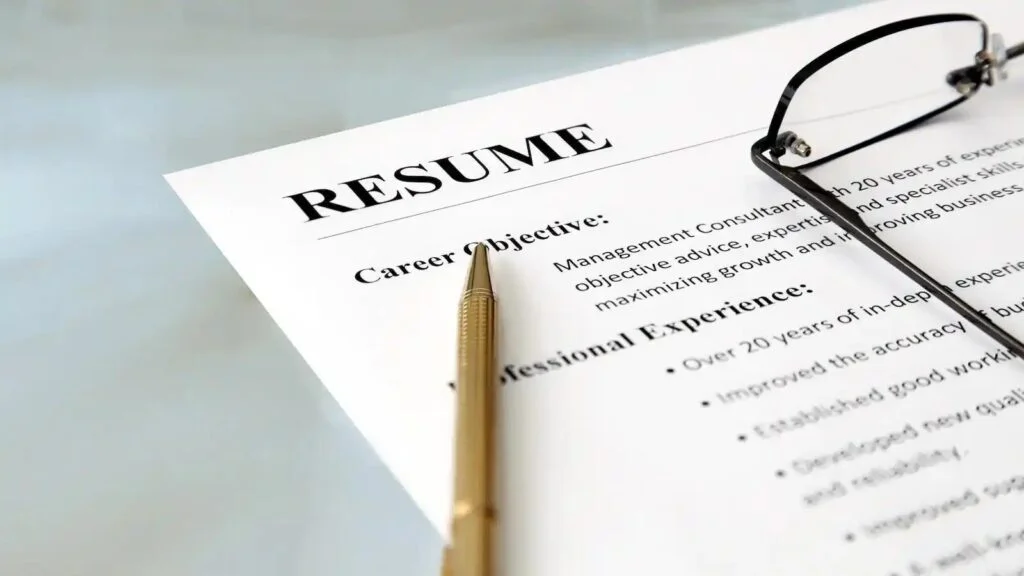
Recruiters today are overwhelmed with hundreds of digital submissions for every open position, spending an average of just seven seconds scanning initial applications. Consequently, generic, mass-produced letters are immediately discarded by both human resources personnel and automated Applicant Tracking Systems. To successfully cut through this noise, modern job seekers must master the art of tailored professional storytelling, striking a delicate balance between showcasing quantifiable achievements and demonstrating a seamless cultural fit with the prospective employer.
Understanding Why Most Applications Fail
The most common reason an application is swiftly rejected is a complete lack of tailoring to the specific job description. Far too many candidates make the fatal mistake of drafting a single, vague document and broadcasting it to dozens of different companies. Hiring managers can instantly spot these generic templates, interpreting them as a sign of laziness or a lack of genuine interest in their specific organization. When your opening paragraph fails to mention the exact job title or the company’s recent achievements, you immediately lose the reader’s attention.
Another frequent pitfall involves poor formatting and outdated corporate phrasing. Starting your document with the archaic phrase “To Whom It May Concern” immediately signals that you did not conduct enough research to find the hiring manager’s actual name. Furthermore, candidates frequently err by filling their body paragraphs with empty adjectives like “hardworking” or “excellent communicator” without providing any concrete evidence to back up these claims. In a saturated market, failing to quantify your specific value makes your application entirely forgettable.
Establishing a Professional Structure
Before you type a single word of content, you must establish a clean, highly readable visual framework for your document. You should always utilize a standard, professional font such as Arial, Calibri, or Times New Roman, keeping the text size between ten and twelve points. Maintaining standard one-inch margins on all sides of the page ensures that your text does not look cluttered or visually overwhelming to a tired recruiter. Your document should rarely exceed four hundred words, comfortably fitting onto a single, well-organized page.
The top of your document requires a formal header containing your current contact information, formatted identically to the header on your attached resume for consistent personal branding. Beneath your details, you must include the current date, followed by the employer’s contact information, including the hiring manager’s name, their official title, and the company’s physical address. Addressing the recipient directly by name, such as “Dear Mr. Adebayo,” instantly personalizes the communication and proves you took the time to study the company’s internal structure.
Crafting an Unforgettable Introduction
Your opening paragraph must immediately hook the reader while clearly stating your primary objective. You should begin by explicitly naming the position you are applying for and briefly mentioning where you discovered the job listing, whether it was through a professional networking site or a direct company portal. Following this basic housekeeping, you must inject a brief, compelling statement about why you are uniquely drawn to this specific organization. Mentioning a recent company milestone, a shared corporate value, or an admired product line demonstrates immediate engagement.

For recent graduates or individuals transitioning into an entirely new industry, the introduction is the perfect place to pivot the narrative toward your transferable skills. Instead of apologizing for a lack of direct industry experience, you can frame your academic background or previous project work as a unique advantage. Utilizing a reliable cover letter writing guide can help you perfectly structure these opening sentences, ensuring you project absolute confidence from the very first line.
Highlighting Achievements with the STARR Method
The core body paragraphs of your document are where you must prove your tangible value to the employer. Instead of vaguely summarizing your daily duties, you should select one or two highly relevant accomplishments and expand upon them using the STARR method, which stands for Situation, Task, Action, Result, and Relate. By describing a specific professional challenge you faced, the exact actions you took to resolve it, and the positive outcome you achieved, you paint a vivid picture of your core competencies in motion.
Crucially, these results must be quantified whenever possible to maximize their impact. Stating that you “increased regional sales by twenty percent over six months” or “reduced customer wait times by fifteen minutes” provides concrete proof of your capabilities. If you are a university student utilizing a standout cover letter guide, you can apply this exact same STARR framework to major academic projects, leadership roles in campus organizations, or successful volunteer initiatives to demonstrate your practical problem-solving skills.
Closing with a Confident Call to Action
Your final paragraph should seamlessly wrap up your narrative while pushing the hiring process forward. You must briefly reiterate your intense enthusiasm for the role and explicitly state how your unique blend of skills will directly benefit the company’s upcoming projects. Instead of passively waiting for a response, you should include a polite but confident call to action, expressing your eagerness to discuss your qualifications further in a formal interview setting.
After thanking the hiring manager for their time and consideration, you must sign off using a highly professional closing salutation. Phrases like “Sincerely,” “Best regards,” or “Respectfully” are universally accepted and appropriate for any corporate environment. Reviewing successful examples and pro tips can help you calibrate the exact tone of your sign-off, ensuring you leave the recruiter with an impression of polished professionalism and unwavering courtesy.
Navigating Nigeria-Specific Corporate Nuances
When applying for roles within the Nigerian corporate ecosystem, balancing modern brevity with traditional respect is a required skill. The local job market, particularly in established sectors like commercial banking, oil and gas, and government agencies, still places a massive premium on formal language and an inherent respect for corporate hierarchy. Using highly polite phrasing and acknowledging the esteemed reputation of the organization can significantly boost your standing with traditional Nigerian human resources departments.
Conversely, the rapidly expanding tech startup scenes in urban hubs like Lagos and Abuja often prefer a slightly more direct, results-oriented approach. When applying to these modern tech firms, your focus should lean heavily on your innovative capabilities and your verifiable portfolio. Regardless of the specific sector, thoroughly proofreading your document to eliminate every single grammatical error or typographical mistake is mandatory, as local recruiters routinely use these minor flaws to instantly disqualify candidates from massive applicant pools.
Frequently Asked Questions About Application Letters
Is a cover letter necessary if the job description does not explicitly ask for one?
Submitting an application letter is highly recommended even when it is not explicitly listed as a mandatory requirement in the job posting. While some automated systems prioritize the resume, a well-crafted letter provides a unique opportunity to explain employment gaps, highlight specific cultural fits, and demonstrate a proactive work ethic. Unless the employer strictly states that you should not include one, providing an application letter always serves as a strategic advantage that elevates you above candidates who only submitted the bare minimum.
How long should my application letter ideally be?
Your document should remain concise and highly focused, ideally landing between two hundred and fifty to four hundred words. This specific length allows you to comfortably fit all your essential content onto a single page with standard margins and a readable font size. Hiring managers process hundreds of applications daily, meaning a document that spills over onto a second page is rarely read in its entirety and often signals an inability to communicate your professional value efficiently.
How do I address the letter if I cannot find the hiring manager’s name?
If exhaustive research on LinkedIn and the official company website fails to reveal the exact name of the hiring manager, you should default to a professional, department-specific greeting. Addressing your document to “Dear Hiring Manager” or “Dear Marketing Department Team” is entirely acceptable and far superior to using outdated, impersonal phrases. This approach maintains a respectful, modern corporate tone while simultaneously acknowledging the specific team tasked with reviewing your qualifications.
Elevating Your Professional Search Strategy
Mastering the mechanics of corporate communication is an ongoing process that requires continuous refinement and audience adaptation. Treating every single application as a unique opportunity to build expertise and credibility with a new audience will completely transform how you approach your job hunt. By moving away from automated, repetitive submissions and embracing targeted, metric-driven storytelling, you actively position yourself as a high-value asset rather than just another desperate job seeker lost in a flooded digital inbox.
As recruitment technologies grow increasingly sophisticated throughout 2026, the human element of your written narrative becomes your greatest competitive advantage. Artificial intelligence may scan your document for required keywords, but a human hiring manager is ultimately searching for a candidate who displays authentic passion, clear problem-solving abilities, and a verifiable track record of success. Committing the necessary time to customize your formatting, quantify your past victories, and polish your professional tone guarantees that your application will confidently rise to the top of any competitive talent pool. Write an Application Letter
Written by: Kehinde Mosope

Career & Tech Specialist | Founder of NaijaFix

5+ Years Experience in Professional Development & Consumer Tech

Published: February 27, 2026

Last Updated: February 27, 2026

About the Author: Kehinde Mosope helps Nigerian professionals navigate the modern digital job market by providing evidence-based career strategies, practical templates, and localized corporate advice.